
Introduction: Building a Successful Handbag Brand Requires More Than Just Production
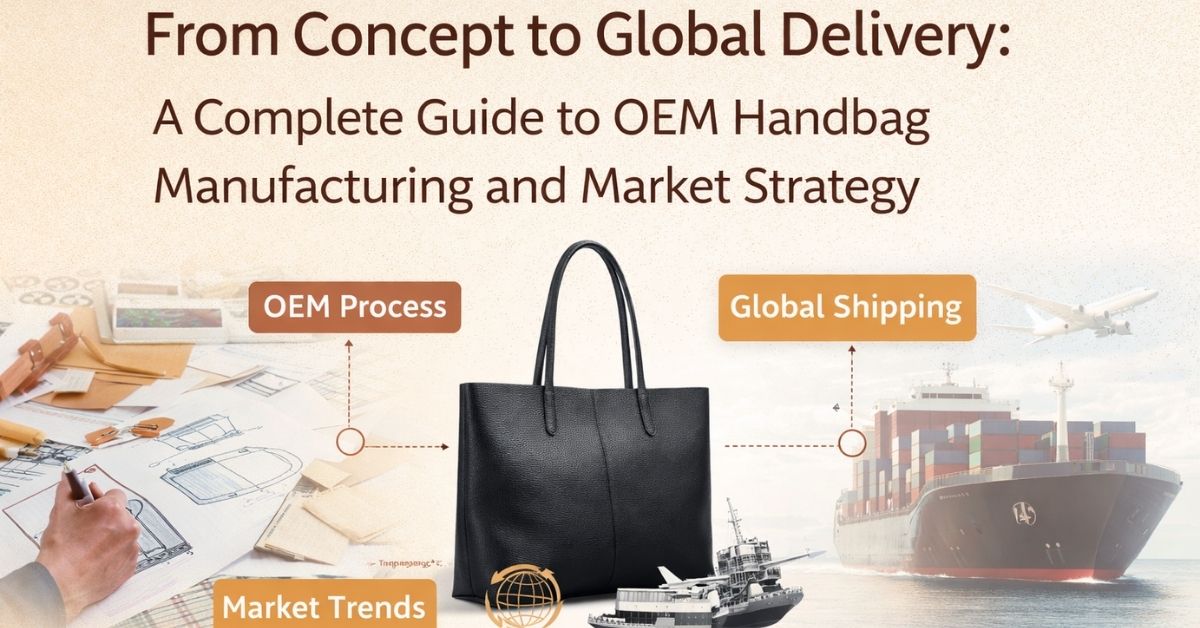
Launching and scaling a handbag brand today requires more than just finding a supplier. Brands must understand the entire lifecycle of handbag manufacturing, from product development to bulk shipping and market positioning.
A professional OEM handbag manufacturer plays a critical role in helping brands:
- Turn ideas into manufacturable products
- Ensure stable mass production quality
- Deliver products efficiently across global markets
To truly succeed, brands need to combine manufacturing knowledge, logistics strategy, and market insights.
Understanding the OEM Handbag Manufacturing Process
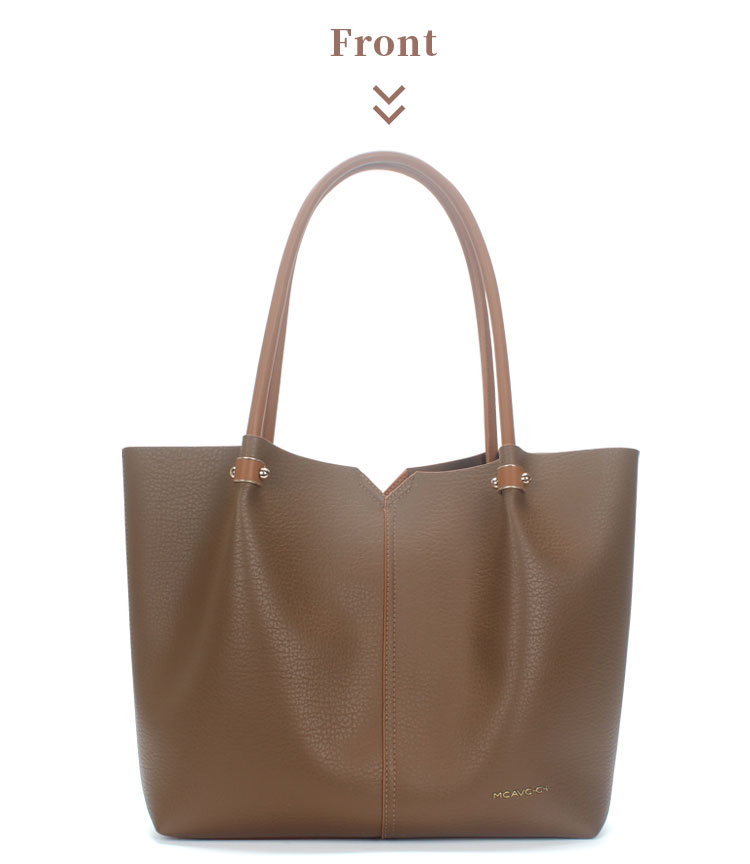
Before diving into production, it’s essential to understand how a reliable manufacturer delivers products from concept to reality.
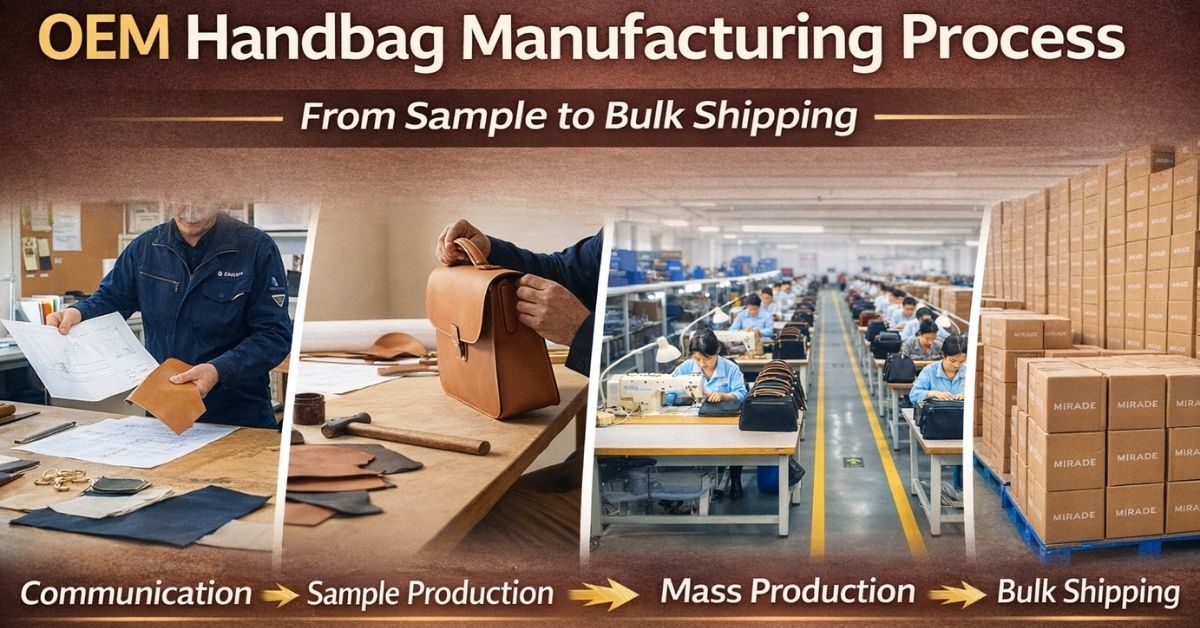
From initial communication and sampling to mass production and delivery, each stage must be carefully managed to ensure quality and efficiency.
👉 If you want a complete breakdown of how this works, you can read our detailed guide:
How OEM Handbag Manufacturers Deliver from Concept to Bulk Shipment
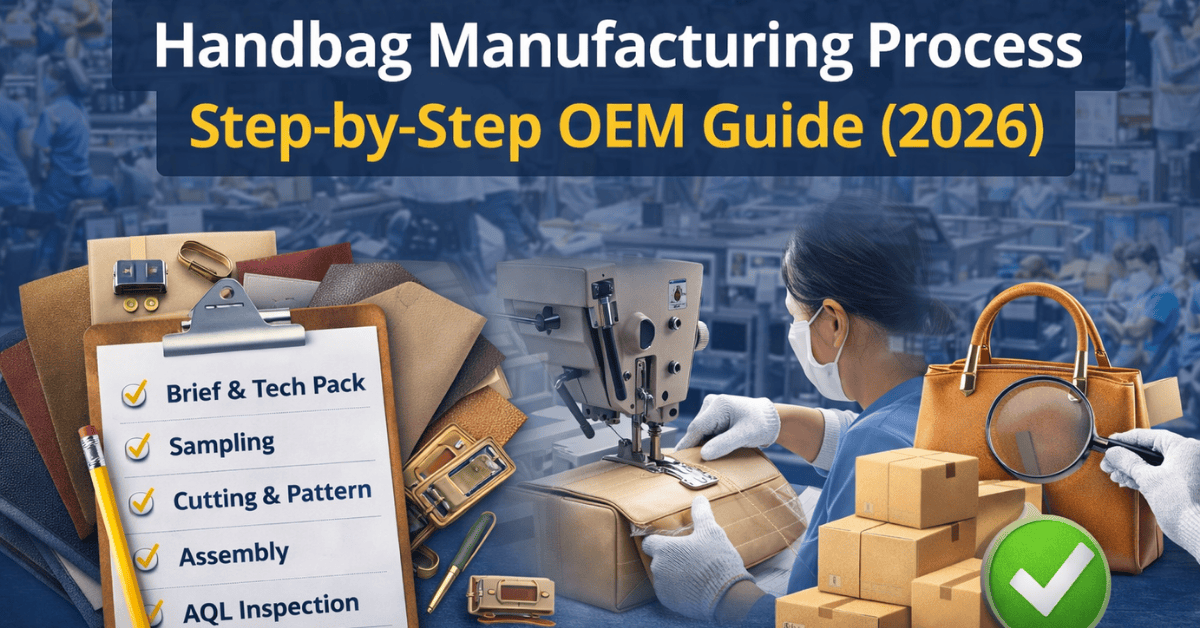
This process typically includes:
- Requirement alignment and material selection
- Sample development and approval
- Structured mass production
- Integrated quality control systems
A well-managed OEM process reduces risks and ensures consistency, especially for brands scaling their product lines.
Mass Production and Supply Chain Efficiency
Once the sample is approved, the focus shifts to bulk handbag production.
At this stage, efficiency and consistency become critical. Professional factories rely on:
- Assembly-line production systems
- Skilled workers trained for specific tasks
- Advanced machinery for precision manufacturing
However, production alone is not enough. Brands must also plan for global shipping and logistics.
👉 For a complete guide on international logistics, see:
How to Ship Bulk Handbags from China to the USA
This includes:
- Choosing between sea freight (FCL/LCL) and air shipping
- Managing export documentation
- Ensuring packaging meets international standards
Reliable logistics ensures that products reach the market on time and in perfect condition.
Market Trends Shape Product Strategy
While manufacturing and logistics are operational foundations, market trends determine product success.
Understanding consumer preferences and industry direction helps brands:
- Choose the right materials (e.g., sustainable leather alternatives)
- Develop competitive designs
- Position products for target markets
👉 To stay ahead of the industry, explore our insights:
Handbag Market Trends for 2026
Key trends influencing the market include:
- Sustainability and eco-friendly materials
- Minimalist and functional design
- Growth of private label and DTC brands
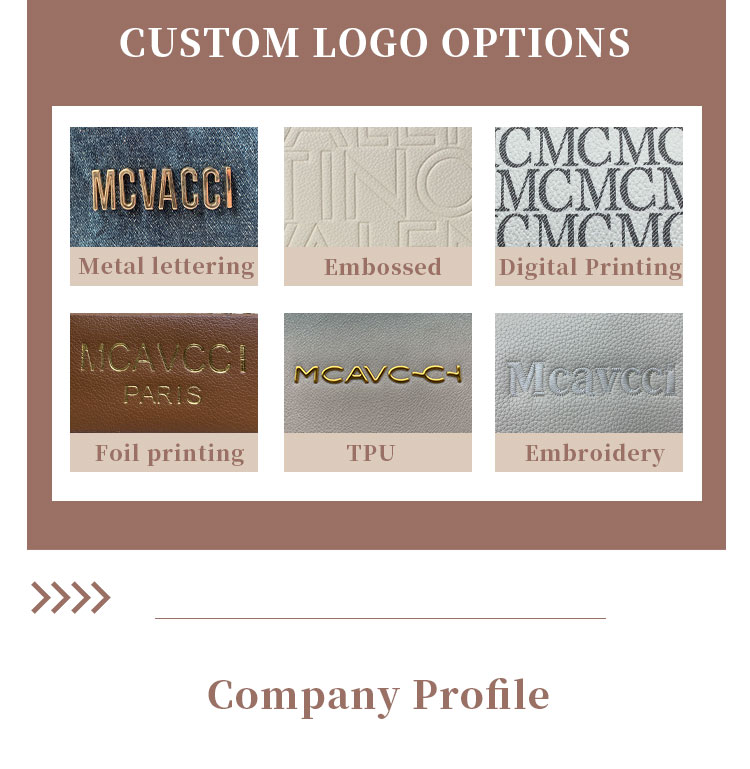
- Increasing demand for flexible manufacturing
Brands that align with these trends gain a significant competitive advantage.
How OEM Manufacturers Support Brand Growth
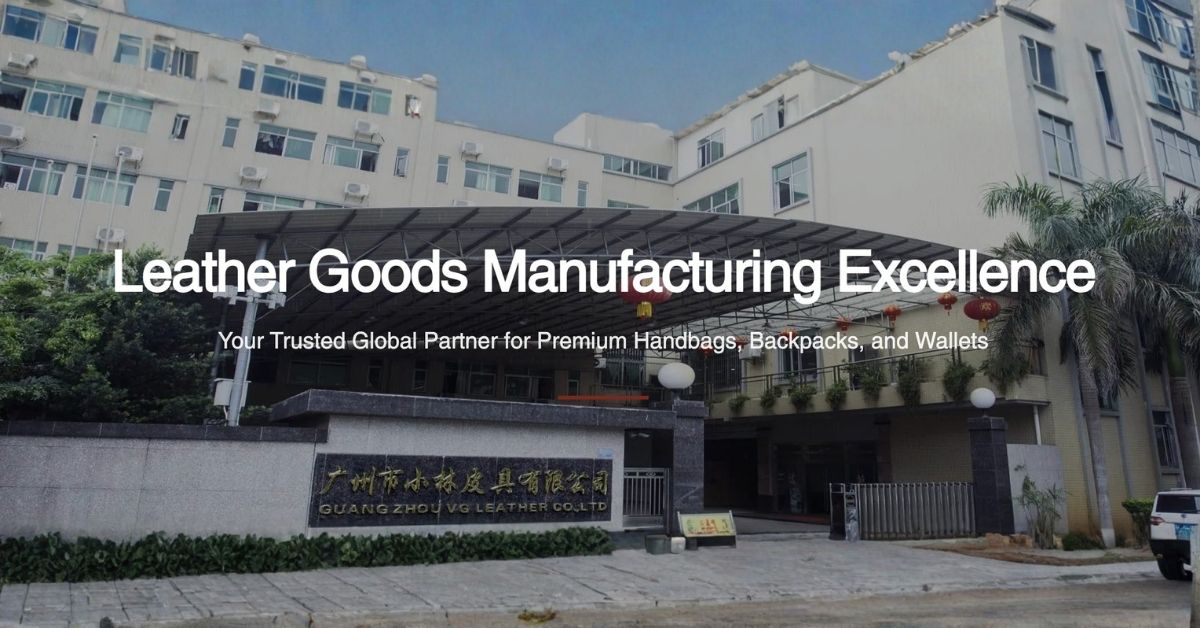
A strong OEM partner does more than produce goods — they help brands scale.
By combining:
- Product development expertise
- Scalable production capacity
- Efficient global shipping systems
Manufacturers enable brands to:
- Launch faster
- Reduce operational risks
- Expand into new markets
This is why choosing the right custom bag manufacturer is a strategic decision, not just a sourcing task.
Conclusion: Connecting Manufacturing, Logistics, and Market Strategy
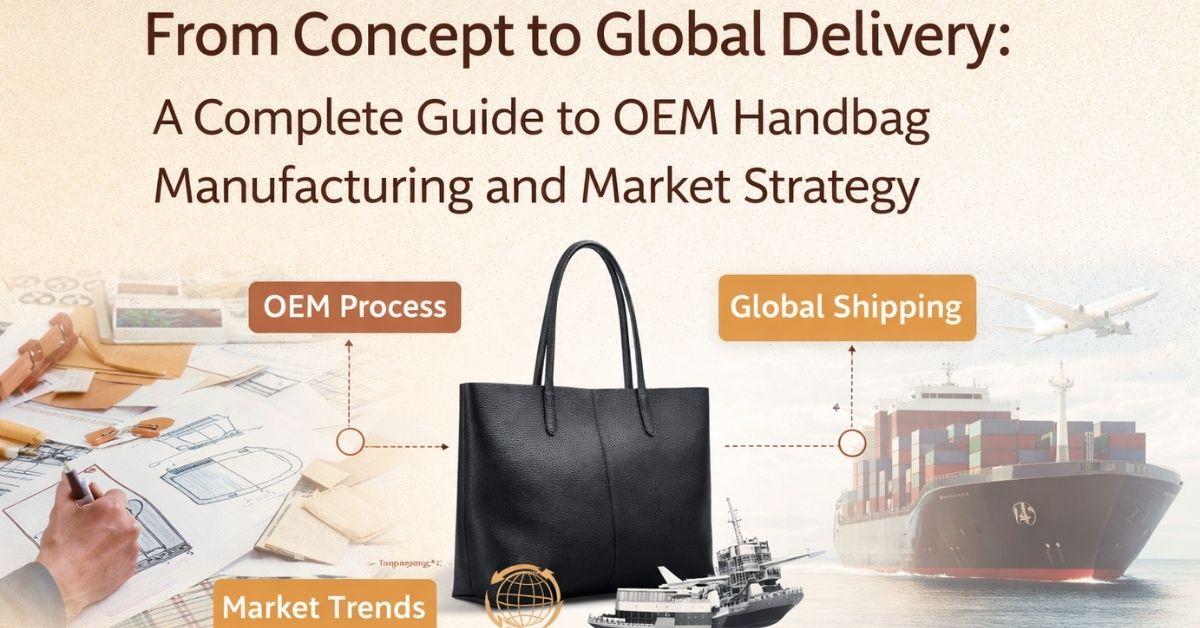
Success in the handbag industry depends on integrating three key elements:
- A reliable OEM manufacturing process
- Efficient bulk shipping and logistics systems
- Clear understanding of market trends and consumer demand
By aligning these three areas, brands can build a scalable and competitive business.
If you are looking to develop or scale your handbag brand, working with an experienced handbag manufacturer will give you the foundation needed for long-term success.