

Introduction
The global handbag market continues to evolve rapidly, driven by changing consumer behavior, sustainability awareness, digital commerce, and supply chain shifts.
For brands, retailers, and private label buyers, understanding handbag market trends for 2026 is essential for:
-
Product development planning
-
Material sourcing decisions
-
Inventory forecasting
-
Pricing strategy
-
Manufacturing partnerships
In this industry report, we analyze the key trends shaping the handbag industry and what they mean for OEM and private label brands.
Global Handbag Market Overview
According to market research data from Statista and Grand View Research:
-
The global leather goods market exceeded $400 billion in recent years.
-
The handbag segment represents a major portion of this industry.
-
CAGR is projected at approximately 5–7% annually in mid-term forecasts.
Growth is supported by:
-
Expanding middle-class consumption
-
Growth of e-commerce
-
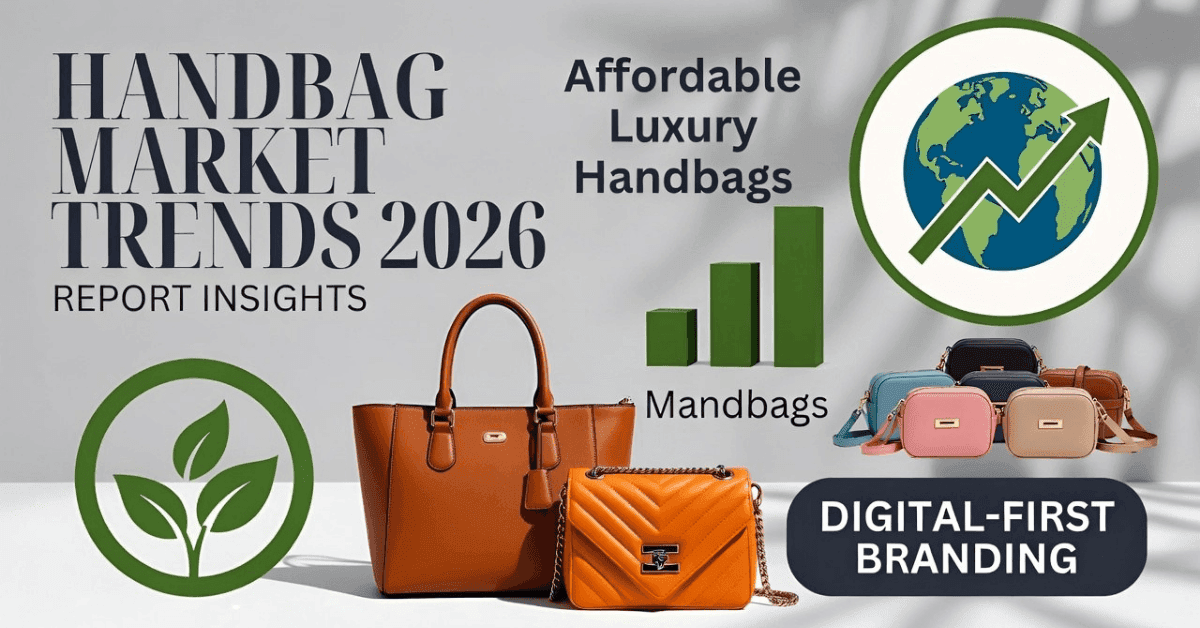
Demand for affordable luxury
-
Private label expansion
North America remains one of the largest import markets for handbags manufactured in Asia.
Sustainability Is No Longer Optional
One of the most significant handbag market trends is sustainability.
Consumers increasingly prefer:
-
Vegan leather bags
-
Recycled materials
-
Eco-friendly packaging
-
Transparent supply chains
Industry surveys show:
-
Over 60% of Gen Z consumers consider sustainability before purchase.
-
Brands with ESG positioning gain stronger long-term loyalty.
For manufacturers, this means:
-
Offering sustainable PU alternatives
-
Developing recycled lining options
-
Reducing packaging waste
OEM factories that can provide eco-material sourcing have a competitive advantage.
Affordable Luxury Continues to Grow
The “accessible luxury” segment is expanding faster than ultra-high-end brands.
Consumers seek:
-
Designer aesthetics
-
Mid-range pricing
-
Strong brand identity
Private label handbag brands are capturing market share by:
-
Partnering with experienced OEM factories
-
Producing high-quality leather handbags
-
Maintaining flexible MOQs
Manufacturing efficiency in China enables brands to balance cost and premium appearance.
Mini Bags and Functional Designs
Fashion trends show demand for:
-
Mini crossbody bags
-
Structured handbags
-
Multi-compartment work bags
-
Travel-friendly tote bags
Functionality is becoming as important as style.
Professional women increasingly demand:
-
Laptop-compatible interiors
-
Reinforced base structures
-
Adjustable straps
-
Organized compartments
OEM handbag manufacturers must combine fashion with engineering practicality.
Digital-First Brand Growth
E-commerce continues to reshape the handbag industry.
DTC brands rely on:
-
Social media marketing
-
Influencer collaborations
-
Short product cycles
-
Fast sampling turnaround
Manufacturers with:
-
Weekly sampling capability
-
Small-batch production flexibility
-
Quick design adjustments
are better positioned to support modern brands.
Supply Chain Stability Matters More Than Ever
After global supply disruptions, brands prioritize:
-
Stable production capacity
-
Skilled workforce
-
Vertical integration
-
Compliance certifications
Factories with:
-
500+ skilled employees
-
80,000+ monthly production capacity
-
BSCI & ISO certifications
provide stronger reliability for international buyers.
Customization & Private Label Expansion
Private label continues to grow, especially in:
-
Amazon FBA sellers
-
Boutique brands
-
Fashion startups
Customization trends include:
-
Embossed logos
-
Custom hardware molds
-
Signature lining
-
Branded packaging
The ability to support private label handbag manufacturing is a major growth driver in 2026.
Material Innovation
Material innovation shapes competitive differentiation.
Trending materials include:
-
High-quality PU leather
-
Vegan leather alternatives
-
Lightweight composite materials
-
Mixed material combinations
Brands increasingly evaluate:
-
Durability
-
Weight
-
Cost efficiency
-
Environmental impact
Factories must continuously upgrade material libraries.
Regional Demand Insights
United States
Strong demand for:
-
Work totes
-
Functional handbags
-
Mid-range pricing
Europe
Focus on:
-
Sustainability
-
Premium craftsmanship
Middle East
Preference for:
-
Structured luxury bags
-
Decorative metal hardware
Understanding regional preferences improves production planning.
What This Means for OEM Handbag Manufacturers
To stay competitive, handbag manufacturers must:
-
Invest in design development
-
Offer flexible MOQ solutions
-
Maintain quality control standards
-
Provide cost-efficient logistics coordination
-
Support sustainable materials
Brands increasingly choose partners who offer integrated OEM/ODM solutions instead of pure production.
Final Thoughts
The handbag market trends for 2026 show a balance between:
-
Sustainability
-
Affordable luxury
-
Functional design
-
Private label expansion
-
Supply chain stability
For brands looking to scale, partnering with a professional handbag manufacturer with strong sampling capability, stable production capacity, and global export experience remains a key competitive advantage.
Frequently Asked Questions
What is the growth rate of the handbag market?
The global leather goods and handbag market is projected to grow at approximately 5–7% CAGR in mid-term forecasts.
Why are sustainable handbags trending?
Consumers increasingly demand eco-friendly materials, ethical production, and transparent supply chains.
Is private label growing in the handbag industry?
Yes. Private label and DTC brands are expanding due to lower entry barriers and flexible OEM manufacturing.
What materials are trending in handbags?
Vegan leather, high-quality PU, recycled materials, and mixed-material designs are gaining popularity.
How can manufacturers stay competitive in 2026?
Factories must offer sustainable materials, flexible MOQs, strong quality control, and reliable export capabilities.