

Introduction
If you are planning to launch a handbag brand or develop a private label collection, one of the first questions you will ask is:
How much does it actually cost to manufacture a handbag in 2026?
The answer depends on several factors including material selection, design complexity, order quantity (MOQ), hardware customization, and production location.
In this guide, we break down the real cost structure of handbag manufacturing from a factory perspective.
Average Cost to Manufacture a Handbag in 2026
In 2026, the average manufacturing cost per handbag typically ranges:
| Type of Bag | Estimated Manufacturing Cost (EXW) |
|---|---|
| Basic PU Handbag | $6 – $12 |
| Mid-Range PU / Mixed Material | $10 – $18 |
| Genuine Leather Handbag | $18 – $40+ |
| Premium Designer-Level Bag | $40 – $80+ |
⚠️ These are manufacturing costs only (EXW).
They do not include branding, marketing, shipping, or import duties.
Key Factors That Affect Handbag Manufacturing Cost
1 Material Type
Material is the biggest cost factor.
-
PU leather = lower cost
-
Genuine leather = higher cost
-
Vegan leather = mid to high
-
Special sustainable materials = premium pricing
For example:
Switching from PU to genuine leather can increase unit cost by 30%–70%.
2 Hardware & Accessories
Custom hardware significantly impacts cost.
Cost drivers include:
-
Custom metal logo molds
-
High-quality zipper brands (e.g., YKK)
-
Plated metal finish
-
Magnetic closures
-
Decorative chains
Custom mold fees may range from $200–$800 depending on complexity.
3 Design Complexity
A simple tote bag costs much less than a structured handbag with:
-
Multiple compartments
-
Reinforced base
-
Interior pockets
-
Adjustable straps
-
Detailed stitching
More components = more labor time = higher cost.
4 Order Quantity (MOQ)
Quantity dramatically affects price.
Example:
-
200 pieces → Higher per-unit cost
-
1,000+ pieces → Lower unit cost
Factories purchase materials in bulk, so larger orders reduce unit pricing.
5 Labor & Production Location
Manufacturing in China remains competitive due to:
-
Mature supply chain
-
Skilled workers
-
Efficient workflow
Factories with 500+ employees and 80,000+ monthly capacity can optimize labor costs better than small workshops.
Sample Cost vs Bulk Production Cost
Many clients ask:
“Why is sample cost higher than production cost?”
Sample development includes:
-
Pattern making
-
Manual construction
-
Material sourcing in small quantity
-
Engineering adjustment
Sample cost usually ranges from:
$50 – $200 per style
Bulk production cost drops significantly once materials are purchased in volume.
Hidden Costs New Brands Often Miss
1 Packaging
-
Dust bags
-
Custom boxes
-
Printed labels
-
Barcodes
2 Testing & Inspection
-
Third-party inspection fees
-
Quality compliance testing
3 Shipping & Duties
-
Sea freight
-
Air freight
-
Import taxes
These can add 10%–30% on top of manufacturing cost.
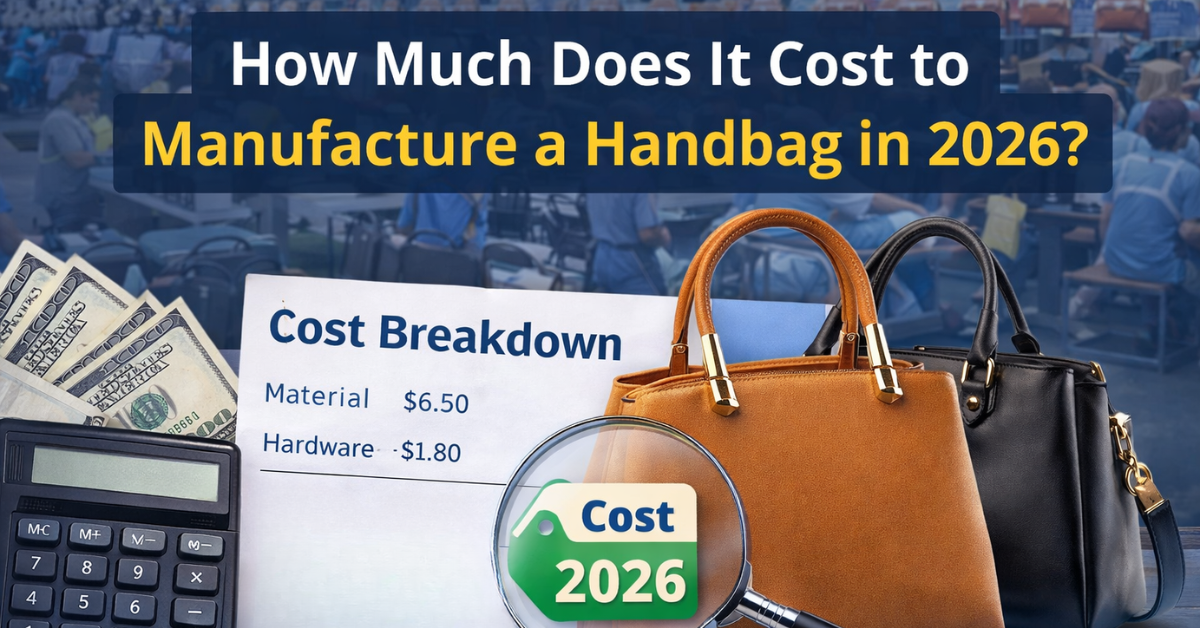
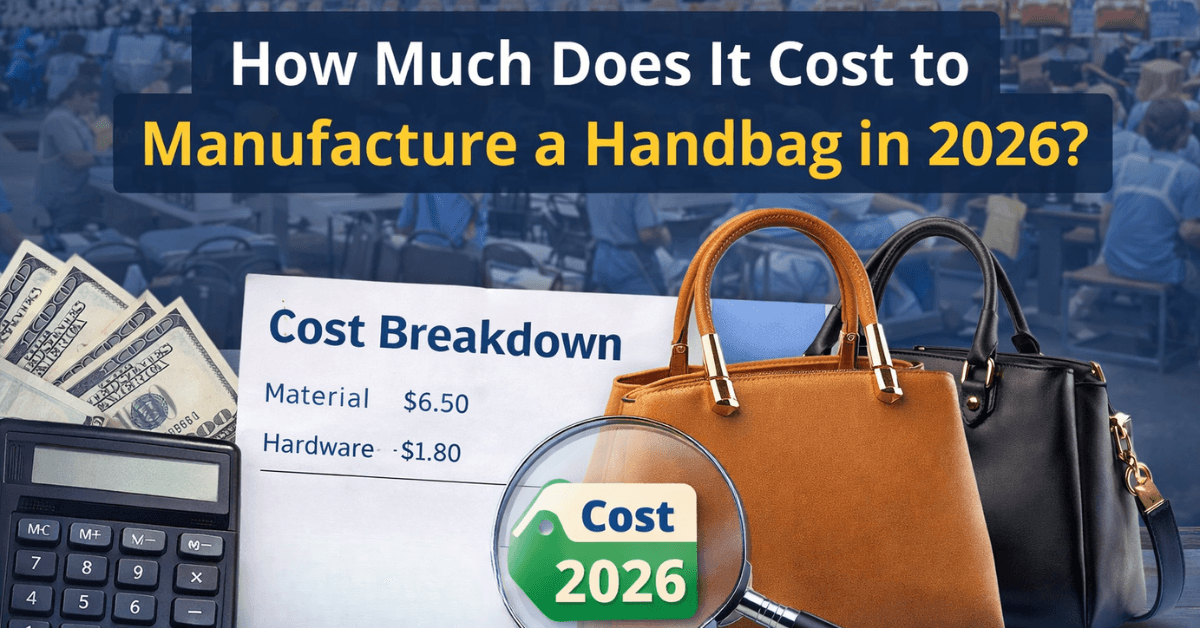
Example Cost Breakdown (Mid-Range PU Handbag)
Example for 500 pieces:
-
Material: $6.50
-
Hardware: $1.80
-
Labor: $3.20
-
Packaging: $0.80
-
Overhead: $1.20
Estimated EXW cost: $13.50 per unit
This may decrease to $11.80–$12.50 for 1,000+ pieces.
How to Reduce Handbag Manufacturing Costs
Here are practical factory-level strategies:
-
Optimize material thickness
-
Simplify interior construction
-
Use standard hardware instead of custom molds
-
Increase order quantity
-
Plan production before peak season
Working closely with an experienced OEM bag manufacturer can help balance cost and quality.
Is Manufacturing in China Still Cost-Effective in 2026?
Yes.
Despite rising labor costs, China remains cost-effective due to:
-
Established leather supply chains
-
Fast sampling capabilities
-
Efficient mass production
-
Skilled workforce
Factories with BSCI & ISO certifications ensure stable quality alongside competitive pricing.
Final Thoughts
The cost to manufacture a handbag in 2026 depends on material, quantity, customization level, and quality standards.
If you are planning to develop a custom handbag or private label collection, the best way to get accurate pricing is to:
-
Prepare design sketches or tech packs
-
Confirm material preference
-
Specify target quantity
-
Share packaging requirements
Request a detailed quotation from an experienced OEM handbag manufacturer to receive an accurate cost estimate.
Frequently Asked Questions
What is the average handbag manufacturing cost in 2026?
The average handbag manufacturing cost ranges from $6 to $40+ depending on material, design complexity, and order quantity.
Does MOQ affect handbag production cost?
Yes. Higher order quantities reduce unit cost due to bulk material purchasing and optimized production efficiency.
Is OEM handbag pricing negotiable?
OEM handbag pricing can vary depending on volume, material selection, and long-term cooperation agreements.